
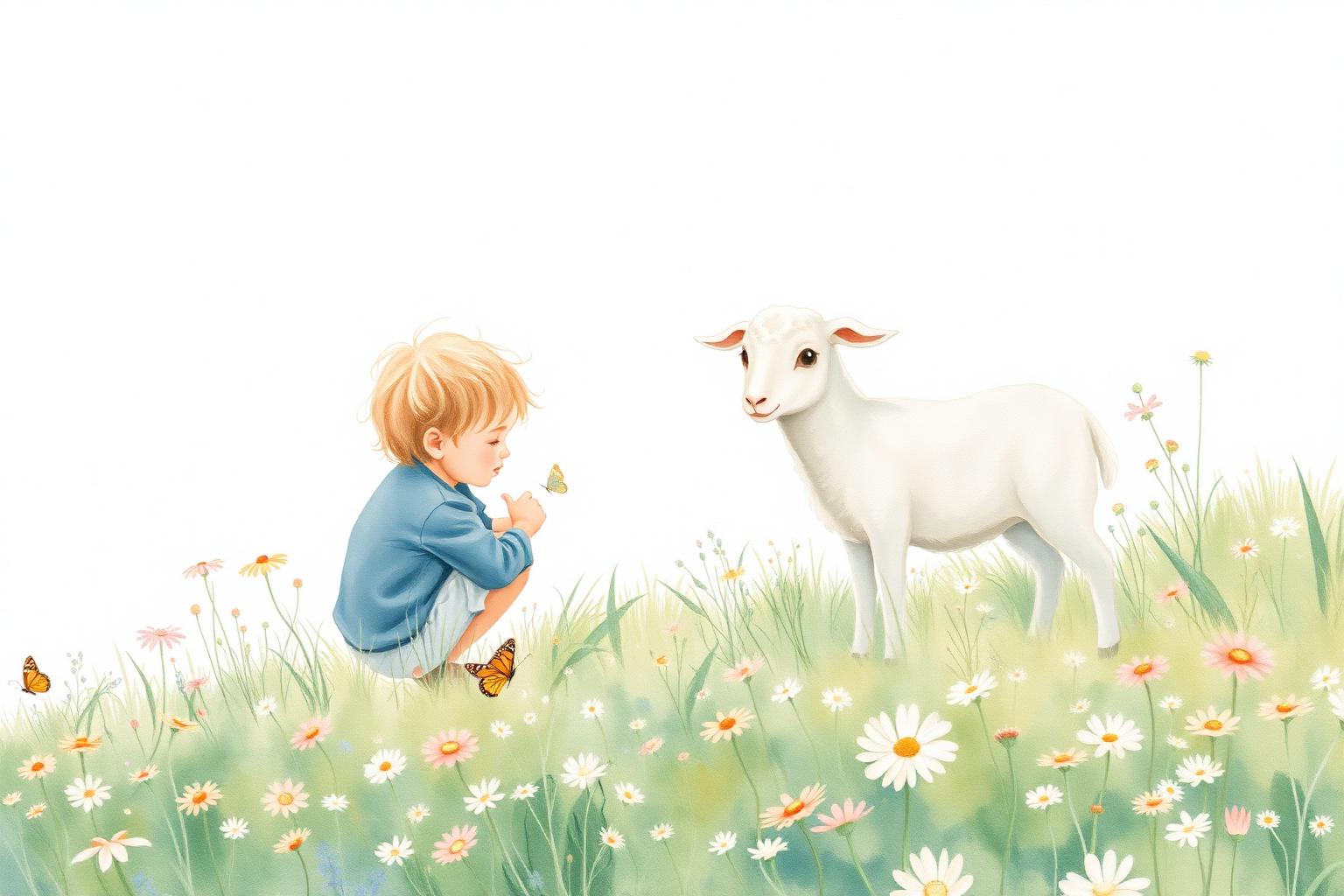
Slow attention is a language animals understand
A rescued animal will not come towards a rushing hand. Neither will a child in a hard moment. What both respond to is a quiet, undramatic presence — someone who is willing to wait.
Nature keeps returning me to this lesson. Every time I try to hurry an animal into a routine, we both feel worse. Every time I slow down and follow their lead first, we find each other.
Bring the outdoors into your play
You don't need a farm to teach these lessons. A pot of soil on a windowsill, a bird feeder outside a window, or a walk where the child sets the pace are all rich, honest ways to practise the same skills: noticing, waiting, respecting a pace that isn't ours.
Sources and further reading
Further reading from Irish national frameworks and public health guidance. All links open on official sites.
- 1.Outdoor play and learning in early years settingsEarly Childhood Ireland
- 2.Biodiversity and nature learning resources for schoolsGreen-Schools Ireland
- 3.Aistear: the Early Childhood Curriculum FrameworkNCCA
- 4.Síolta: the National Quality Framework for Early Childhood EducationDepartment of Education
- 5.Children First: National Guidance for the Protection and Welfare of ChildrenTusla
- 6.First 5: a whole-of-Government strategy for babies, young children and their familiesGovernment of Ireland
Bring these ideas into practice
Book a workshop to explore this further with Amy.
Trusted early years resources
Every workshop is grounded in Irish early years frameworks and national guidance.
- Aistear: the Early Childhood Curriculum Framework (NCCA)
- Síolta: the National Quality Framework
- Children First national guidance (Tusla)
- First 5: Ireland's strategy for babies & young children
- Early Childhood Ireland
Workshop themes · Book a date · Counties we serve · Play & learning blog · FAQ · About Amy