What Aistear actually is
Aistear is the national early childhood curriculum framework for children from birth to six years, published by the NCCA. It is not a programme you buy or a set of worksheets — it is a way of thinking about what children are learning and how adults support that learning through relationships, play and everyday routines.
You can read the framework itself on the NCCA's curriculum online site. It sits alongside Síolta, the national quality framework, which looks at the quality of the setting rather than the child's learning journey.
The four themes, in everyday language
Well-being: the child is confident, healthy and cared for. In practice, this is consistent key-person relationships, unhurried routines, movement, rest and permission to have feelings.
Identity and Belonging: the child knows they matter here. Family photos at child height, home languages used and welcomed, and a room that reflects the actual children in it.
Communicating: the child shares meaning in many ways — gesture, mark-making, home language, play, and eventually words. Adults who wait, notice and respond do more for this than any programme.
Exploring and Thinking: the child investigates, tests theories and solves problems. Open-ended materials, time to repeat, and adults who ask genuine questions rather than quiz questions.
Planning with Aistear without the paperwork spiral
Start from what you already saw. A short, dated observation of one child, one sentence on what it might mean, and one concrete next step is more useful than pages of templates nobody reads again.
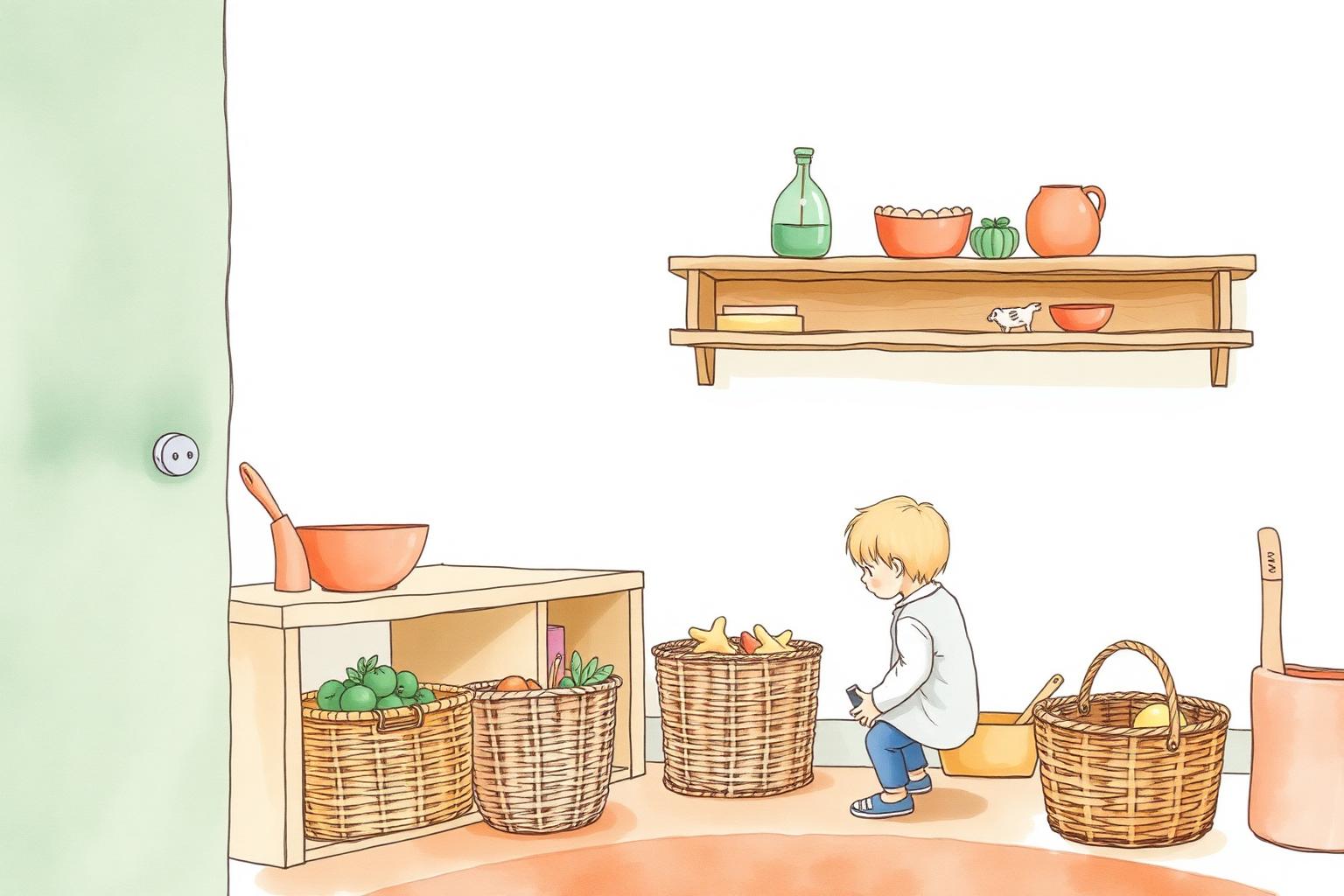
Plan in pencil. Emergent planning means the interests you noticed this week shape next week's provision — a schema for transporting becomes baskets, bags and trolleys; a fascination with water becomes guttering and jugs outdoors.
Link back afterwards, not before. Note which theme and aim the learning touched once it has happened, rather than forcing an activity to fit a box in advance.
Where our workshops fit
The session 'Curriculum planning through emergent interests' walks through this cycle with real examples from Irish settings — observation, interpretation, provision and documentation that stays manageable.
Educators receive a booklet and a certificate of attendance for each hour-long session. Certificates are a record of professional development; they are not CPD points, as that requires separate registration.
Bring these ideas into practice
Book a workshop to explore this further with Amy.
Trusted early years resources
Every workshop is grounded in Irish early years frameworks and national guidance.
- Aistear: the Early Childhood Curriculum Framework (NCCA)
- Síolta: the National Quality Framework
- Children First national guidance (Tusla)
- First 5: Ireland's strategy for babies & young children
- Early Childhood Ireland
Workshop themes · Book a date · Counties we serve · Play & learning blog · FAQ · About Amy